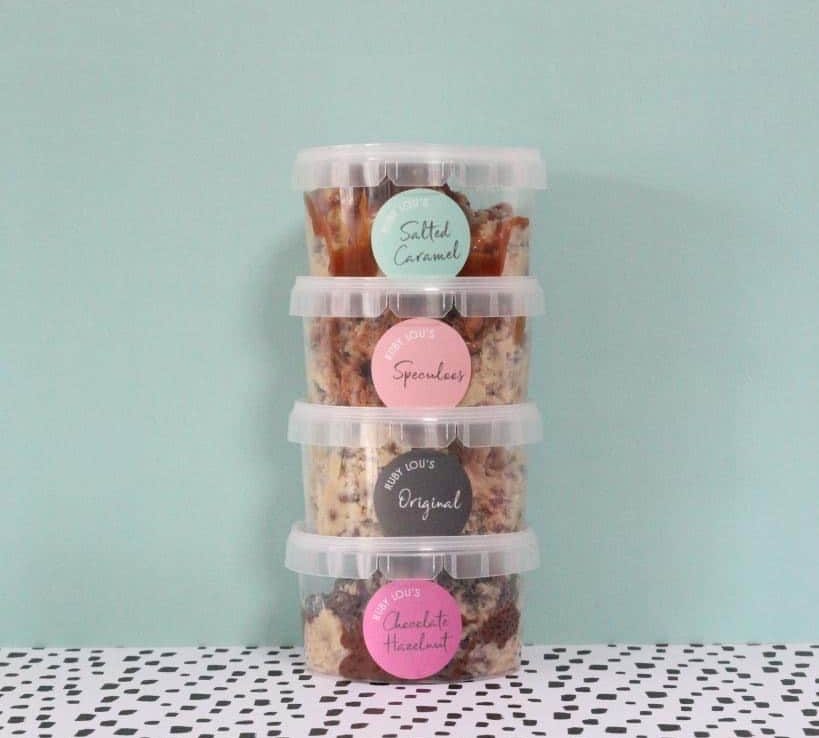
Food-Specific Containers: Understanding Which Packaging Is Best Suited to Your Industry
Walk into any supermarket chilled aisle and you will notice that no two products sit in the same style container. Hummus comes in a wide, shallow pot. Smoked salmon lies flat under a tight film seal. Clotted cream fills a squat white tub with a tamper-evident tab. None of that is accidental.
The right container for a food product is determined by a combination of factors: temperature requirements, the need for food safety guarantees, shelf presentation, portion size, distribution method, and the expectations of your buyer. Choosing a generic, one-size container to cut costs often creates problems elsewhere – contamination risk, poor shelf appeal, or a format your wholesale buyers will push back on.
At SystemPAK, we supply over 130 food-specific containers organised by product type, with UK stock and next day delivery. This guide walks through the most commercially significant food categories and what to look for when choosing the right packaging for each.
The Core Question: Tamper Evident or Top Seal?
Before getting into individual food types, it helps to understand the two primary food specific container systems across the SystemPAK range.
Tamper-evident containers use a physical tab or band that must be broken to open the lid. Once broken, it cannot be resealed invisibly. These are best suited to products sold through retail or wholesale where consumer confidence at point of sale matters, and where the lid needs to remain firmly closed during cold chain transit.
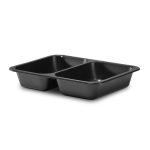
Top seal containers use a heat-sealed lidding film applied by a sealing machine. The hermetic seal creates an airtight, leak-proof closure that is particularly effective for wet or high-moisture products, fresh protein, or anything where oxygen exclusion extends shelf life. The DeliPAK, MeatPAK, OvenPAK, and DairyPAK ranges all operate on this principle.
Many food producers use both systems across different product lines – a charcuterie producer might top-seal sliced meats and use tamper-evident tubs for their accompanying condiments, for example. The format should follow the product’s requirements, not the other way around.
Deli, Antipasti & Prepared Foods
Deli counters and prepared food suppliers face a specific challenge: a wide variety of products with different textures, moisture levels, and portion sizes, all needing to look premium at point of sale.
For olives, antipasti, and oil-dressed products, a rectangular tamper-evident container with a clear or translucent body lets the product speak for itself. Rectangular formats also pack efficiently in transit crates and chiller cabinets. For sliced meats and charcuterie, a top-sealed tray using the DeliPAK range creates the airtight environment that preserves colour, texture, and shelf life without compression.
Portion sizes in the deli category typically run from 100ml–500ml for retail units, stepping up to larger formats for catering packs. Consistency across your portion range – same container family, same lid format – makes a significant difference to how your brand reads on-shelf.
Browse deli and antipasti containers →
Dairy: Yoghurt, Clotted Cream, Butter & Cheese
Dairy products span a wider temperature and format range than almost any other category, from ambient soft cheese to frozen butter, and the packaging needs to match precisely.
For yoghurt and clotted cream, a white tamper-evident pot in the 150ml–500ml range is the standard retail format. The tamper-evident tab provides the consumer assurance that matters in the dairy aisle, while the white body conveys cleanliness and brand neutrality – ideal as a canvas for Print-Your-PAK labelling or IML.
Soft cheeses and spreadable products benefit from the same format, with the addition of a tight lid seal to prevent moisture migration and odour transfer in mixed-product chillers. For harder cheeses sold in retail portions, a top seal tray under the DairyPAK range provides the modified atmosphere environment that extends usable life.
Butter containers require a format that is both grease-resistant and frost-proof if the product moves between chilled and ambient storage during distribution. The 150ml white rectangular container, freezer-safe to -42°C, is a well-suited option for artisan butter producers selling through farm shops and delis.
Ready Meals & Convenience Foods
This is the most specification-intensive category in the range. Ready meal containers have to survive the entire journey from production line to consumer microwave – sometimes passing through a freezer in between – without warping, leaking, or compromising the seal.
The OvenPAK range addresses the dual-oven requirement: containers that are both freezer-safe and ovenable, removing the need for consumers to transfer food before reheating. This is particularly relevant for premium ready meal producers who want to position their product as genuinely convenient, not just easily purchased.
For chilled ready meals not intended for oven reheating, the MenuPAK and GastroPAK ranges provide top-sealed solutions with consistent tray depths, making them easy to label, stack, and display. The GastroPAK range in particular suits gastro-pub and restaurant-grade prepared meals where presentation in the container at the table is part of the product experience.
Key considerations for this category: matching tray depth to portion weight (shallow trays for single portions, deeper formats for family sizes), and ensuring the lidding film specification is compatible with your sealing machine. SystemPAK supplies both manual and semi-automatic sealing machines, as well as the lidding film and dies, meaning the full system can be sourced from one supplier.
Browse ready meal containers →
Seafood, Smoked Fish & Sushi
Seafood packaging has two non-negotiables: the seal must be airtight, and the presentation must be clean and professional. Loose lids, condensation inside the container, or any sign of leakage destroys purchase intent faster than in almost any other category.
For whole or portioned fresh fish, the MeatPAK top-seal tray range provides the gas-flushed environment (modified atmosphere packaging) that preserves colour and delays oxidation. For smoked fish – salmon, mackerel, trout – a clear-lidded top-seal tray lets the product colour and texture be visible through the film, which is a significant retail sales driver.
Sushi requires a different approach: a low-profile, wide-base container that keeps rolls in position without compression, often with a clear lid for visibility. The presentation standard expected in the sushi category is high, so container quality and dimensional consistency across batches matter considerably.
Sauces, Dips, Hummus & Condiments
This category covers a huge range of viscosities – from loose salad dressings through to thick nut butters – and the container choice needs to account for that. A container that works perfectly for hummus may not seal cleanly against an oil-based pesto.
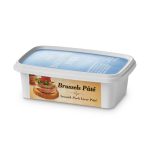
For thick pastes and spreads (hummus, pâté, guacamole, soft cheese dips), a rectangular tamper-evident container in the 100ml–500ml range is the standard format. The flat base and consistent wall depth makes these easy to label and stack, and the rectangular footprint fits cleanly on shelf. The 100ml format suits side-order portions and food-to-go ranges; the 500ml format suits retail and catering.
For liquid sauces, dressings, and condiments, the CondiPAK top-seal pot provides an airtight, leak-proof solution that travels without risk in mixed-product deliveries. The 90ml round tamper-evident pot is also well-suited to single-serve condiment portions for at-home meal kits and catering supplies.
Browse dip and sauce containers →
Dry & Ambient Grocery: Cereals, Spices, Nuts & Baking Ingredients
Food-specific containers are not limited to chilled and frozen applications. A growing number of ambient food producers – particularly in the artisan and speciality grocery sector – are moving away from bags and pouches towards rigid containers that offer better shelf presence, protection from moisture, and reusability.
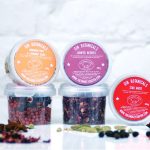
For spices, salts, and dry botanicals, a small round tamper-evident pot in the 90ml–280ml range presents well in retail and on consumer worktops. For cereals, baking ingredients, and nuts, a larger rectangular or square format (750ml–1200ml) provides the volume needed while keeping the product visible and the brand legible on-shelf.
The tamper-evident mechanism matters here too: ambient products are just as subject to in-store interference as chilled lines, and buyers in the premium grocery channel increasingly expect the same food safety standards across the board.
Browse ambient food containers →
Frozen Desserts & Ice Cream
For ice cream and sorbet producers, the specific requirements around freezer-grade construction and tamper-evident sealing are covered in detail in our previous guide. In summary: standard tamper-evident containers are not rated for sustained sub-zero storage, and the difference in material specification between a standard tub and a freezer-grade one is significant enough to affect product quality over time.
The Napoli white ice cream container range – available in 2500ml and 5000ml – is the standard commercial format used across UK gelaterias and ice cream parlours for display cabinet and wholesale distribution. Smaller retail formats from 280ml upwards are available for branded consumer packaging.
Read our full guide to ice cream containers → | Browse ice cream containers →
Branding Across Your Product Range
Whatever food category you operate in, packaging consistency across your product range has a direct impact on shelf recognition and buyer confidence. SystemPAK’s Print-Your-PAK service covers three routes to branded packaging:
In Mould Labelling (IML) embeds the label into the container during manufacture, producing a permanent, high-resolution graphic finish that cannot peel, scratch, or be removed. It is the premium option for products in competitive retail environments.
Printed self-adhesive labels offer a more flexible, lower-minimum route to branded packaging, suitable for smaller producers or frequently-updated ranges.
Bespoke cardboard sleeves can be applied over standard white or clear containers to add branded presentation without committing to printed stock.
Sustainable Packaging Options
SystemPAK’s entire container range is 100% recyclable. For producers with specific sustainability commitments, the FreshPAK PLA range offers a compostable alternative based on cardboard trays with a PLA lining – dual ovenable, freezer-safe, and suited to chilled food applications where buyers or retailers require certified compostable packaging.
Explore sustainable packaging options →
Not Sure Which Container Is Right for Your Product?
SystemPAK offers free samples across the range – you just cover postage. If you are developing a new product line or switching supplier, testing lid fit, seal integrity, and container performance with your actual product is the most reliable way to make the right choice before committing to production volumes.
Claim your free sample → | Browse the full food-specific range →
Frequently Asked Questions
What is the difference between a food-specific container and a standard container? Food-specific containers are selected or designed with a particular product type in mind – accounting for moisture levels, temperature requirements, portion size, and how the product will be displayed and sold. A standard container may technically hold the product safely, but a food-specific format is optimised for the category.
Does SystemPAK supply containers for both retail and foodservice/catering formats? Yes. Most container families are available in combi-box quantities for smaller retail producers and in bulk pallet formats for larger catering and foodservice operations. Sizes typically scale from single-serve portions through to bulk catering volumes.
Can I use the same container across chilled and frozen products? Not always. Standard tamper-evident and top-seal containers are rated for chilled use. Products intended for prolonged frozen storage require a freezer-grade specification – SystemPAK stocks dedicated freezer-grade ranges for this purpose.
What sealing machines are compatible with SystemPAK top-seal trays? SystemPAK supplies both manual and semi-automatic sealing machines, as well as the lidding film and die tooling required, all matched to the tray ranges in the catalogue. This means the full production system can be sourced and calibrated from one supplier.
How do I get samples to test fit and seal performance? Free samples are available across the range. Fill in the sample request form and cover the postage cost – the containers themselves are supplied at no charge.